





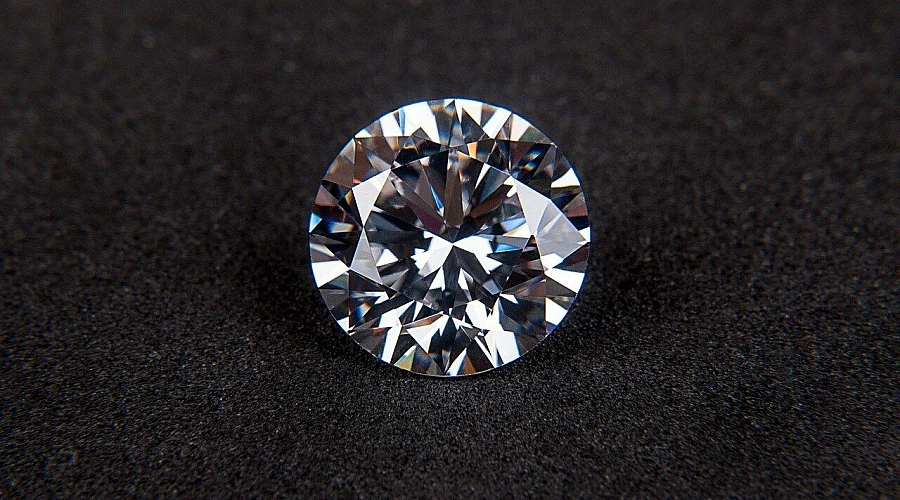
There is currently a meme going viral on social media stating that diamonds do not shine, they reflect. It is a true but little known fact. Therefore, this article will focus on assessing what a diamond is.
What is a diamond?
One of the most popular gemstones in the world, a diamond is a solid form of carbon and the hardest naturally occurring substance. The polishing is done by hand and with the utmost care, so that it gets the reflection – the 'sparkle' – for which it is so famous.
Diamonds have been some of the best known and most sought after gemstones since ancient times. The selection criteria for a diamond are carefully determined and recorded in accordance with an assessment table called 'the 4Cs': color, cut, clarity and carat weight.
Valmand only sells GIA-certified, conflict-free and ethically produced diamonds.
The symbolism of a diamond
Historically, diamonds were believed to possess a range of supernatural powers:
- If a diamond is worn on the left hand, it is said to bring victory no matter how many enemies he had to fight.
- A diamond is said to keep its wearer at bay and protect against all diseases, evil spells and ailments.
- It is said that Arabic diamonds attract more iron than magnets.
- It is believed that a diamond can only be broken if it has previously been splashed with goat's blood.
According to traditional Hindu standards, one should avoid touching a diamond with a cracked surface or cut into shapes other than the hexagonal shape.
Many cultures have resorted to the idea of divine intervention to explain diamond formation. However, it is now known that diamonds are formed by exposing carbon atoms to high temperatures and pressure, and that they are extracted from diamond mines, such as those in Africa. Unfortunately, many of the countries with large diamond reserves have become conflict zones for this very reason.
