





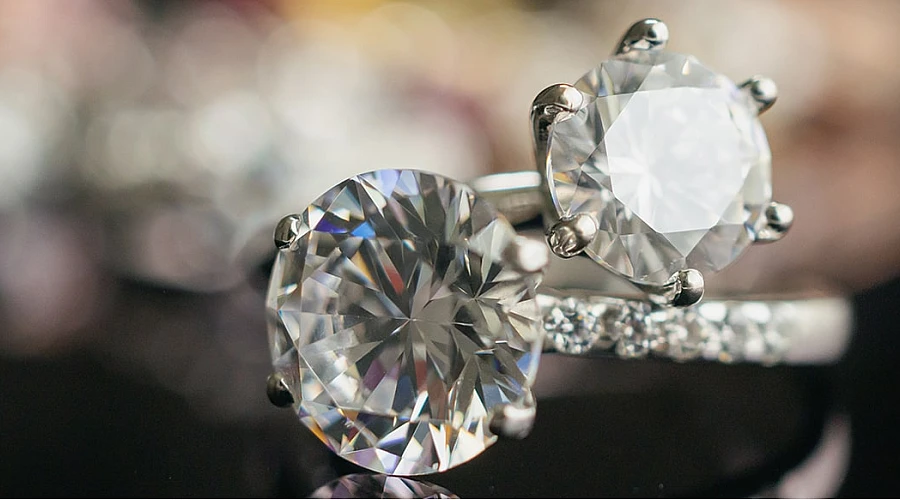
Make sure your jewelry always looks flawless. Check out this jewelry maintenance guide and learn how to give them attention when they need it.
In this article you will learn how to clean gold, how to clean and maintain a diamond ring, and other useful information on how to clean jewelry and gemstones.
Gold jewelry
Gold jewelry is extremely beautiful, and nothing compares to the sparkle of a new piece. Gold is a noble precious metal, timeless, durable, highly malleable, all these qualities giving it an unparalleled value. To these qualities, we add the fact that it is one of the densest metals and is a good conductor of heat and electricity. Gold has attracted attention since ancient times due to its extremely pleasing visual expression, but its increased value.
Where is gold mined?
Two-thirds of the world's gold supply comes from South Africa, and 2/3 of US production comes from South Dakota and Nevada. Other areas rich in gold are Canada and Russia. World production is about 2,500 tons per year, but reserves are estimated at ten thousand tons.
Uses of gold
Gold still holds an important place in our culture and society - we use it to create our most treasured objects: wedding rings, Olympic medals, jewelry, Oscars, Grammys, crucifixes, art and more.
About 78% of the gold consumed each year is used in the manufacture of jewellery. Another industrial use of gold is in the manufacture of electronics. Gold is a highly efficient conductor, so it is used in connectors, switch and relay contacts, solder joints, connecting wires and connecting strips. Gold is also used in dentistry. This practice dates back to 700 BC, when Etruscan "dentists" used gold wire to fix replacement teeth in their patients' mouths. Gold alloys are also used for fillings, crowns, bridges and orthodontic appliances, as the precious metal is non-allergenic and easy to work with. Gold is also successfully used in the aerospace industry, but also in investments.
Gold jewelry maintenance - How to clean gold?
We can clean gold jewelry at home, using readily available and very cheap products. Pay attention to the frequency of these cleanings, but also to the cleaning process itself.
Cleaning gold with soap and water
Items worn daily, such as gold wedding rings and engagement rings, will require periodic cleaning as they accumulate dust and dirt. Although it may not be immediately apparent, these particles accumulate and can eventually diminish the shine and gloss of the finish, leading to dulling of the piece over time. Use a mild, unscented soap, then rinse the items with clean water. For drying, use a soft cloth. Avoid paper products that can damage and scratch gold jewelry. Allow each piece to dry thoroughly before wearing.
Cleaning gold with vinegar
As an alternative to soap, you can clean gold jewelry with water and vinegar. Place the jewelry in a mixture of water and vinegar and leave it for 10-15 minutes. Rinse them with clean water, then gently wipe the jewelry with a soft brush or cloth.
Cleaning gold with bicarbonate
You can restore the shine of gold jewelry using baking soda dissolved in warm water. Do not use baking soda paste as it is abrasive and can damage the finish of the jewelry.
Platinum jewelry
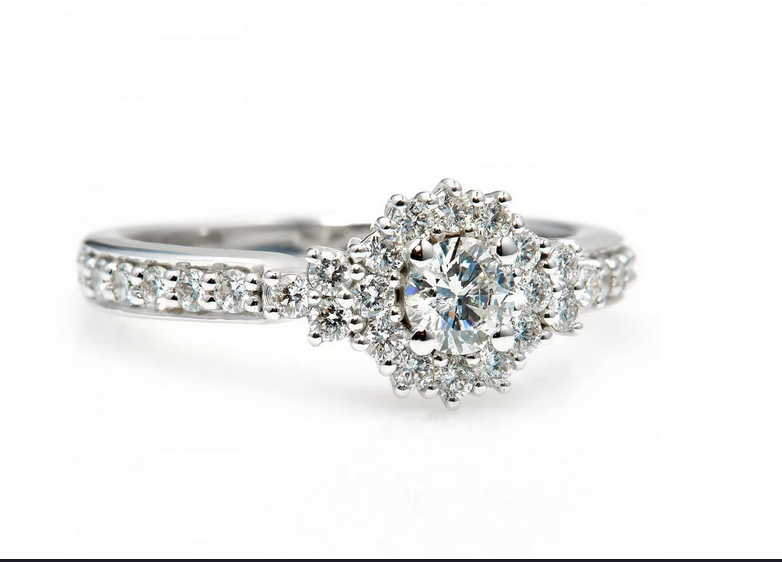
Platinum has a number of useful properties, which explains its application in a wide range of industries. It is one of the densest metallic elements and very stable, giving the metal excellent corrosion resistance properties. Platinum is malleable and a good conductor of electricity.
Since the 1780s, when King Louis XVI of France announced platinum as the only metal fit for kings, this extremely durable precious metal has become a standard of quality. Unlike other metals used to create fine jewelry, platinum does not fade, tarnish, or change color. However, time takes its toll on platinum if special cleaning measures are not taken.
The appeal of platinum, apart from its obvious beauty, is that due to the dense molecular structure of the metal, very little volume is lost when it is worn. The color of the platinum does not actually change, but the jewelry may appear darker than when originally purchased. This effect is due to the way the light interacts with the fine scratches inside the metal.
If you prefer a brighter finish, two options are available: 1. Sanding. A skilled jeweler can remove fine scratches from platinum to bring out its original white luster. 2. Rhodium plating. Rhodium is an intense white metal closely related to platinum with higher reflective characteristics.
Where is platinum extracted from?
Platinum deposits are located in only a few areas of the world. Over 70% of the world's platinum supply comes from the Bushveld Complex in Transvaal, South Africa. Platinum was discovered in this region in 1924, continuing to supply the world's demand for platinum. Russia is the second largest producer of platinum. The Norilsk-Talnakh region of Siberia contributes 20% of the world's platinum supply. Platinum reserves also come from North America, where large deposits can be found in Montana, Alaska and Ontario, Canada.
Maintenance of platinum jewelry
Clean platinum jewelry using a mixture of soap and water or dish soap. Leave them in this mixture for a few minutes, then use a brush with very soft bristles to remove the dirt. Then use a soft cloth.
Do not wear platinum jewelry if you use harsh chemicals, which can cause damage to the jewelry. Avoid wearing platinum jewelry during strenuous physical activities. Keep platinum jewelry in a separate compartment from other jewelry to avoid scratching.
Gemstone jewelry
Daily wear accumulates layers of oil, dust and cosmetic residue on the surface of the stone. Dirty rings can cause skin irritation, discoloration of metals, and scratching of stones. In this case, a simple cleaning at home is recommended. Of course, it doesn't have to be hard, nor does it have to affect the quality of the stone. You can do it weekly at home, but after a certain period of time it is good to go to an experienced jeweler for a professional cleaning.
Maintenance of diamond jewelry
A diamond ring can be cleaned once or twice a week to keep it sparkling. Diamonds are durable, but that doesn't mean you have to use scrubs, abrasives, harsh chemicals, scrubs, or other cleaning products. The best way to clean a diamond ring is to be gentle and use gentle cleaning ingredients. If you are not sure about how to clean it, don't risk ruining your jewelry.
Never use an ultrasonic cleaner to clean a fracture filled, treated or clarified diamond. When removing a ring from your finger, never pull on the stone. Ammonia and water solution can be used to clean diamonds, but is not recommended for diamonds that have fractures. Ammonia can remove the coating from a gemstone. As a tip, purchase a jewelry cloth to remove dirt between cleanings.
Maintenance of emerald jewelry
Emerald has a hardness of 7.5 to 8 on the Mohs scale, has good resistance, but is a stone that requires more care to wear than rubies or sapphires. Some estimates state that 90% of emeralds are full of fractures. That means it's risky to clean them with ultrasound or steam. These cleaning methods can weaken already fractured stones. Using warm, soapy water remains the safest way to clean emeralds.
Maintenance of sapphire jewelry
Corundum is quite stable under normal wear conditions, meaning it is resistant to heat, light and various products. However, warm soapy water or a little dish soap is always a safe method to preserve the brilliance and quality of the sapphire for as long as possible.
Caring for ruby jewelry
As with other gemstones, gentle cleaning with soap and water is sufficient. Wipe the ruby with a soft, delicate cloth using gentle strokes. So, occasional cleaning and minimal maintenance will keep your rubies sparkling for years.
General tips for jewelry maintenance
- Avoid contact between jewelry and harsh chemicals. Many household cleaners contain abrasives and acids that will damage jewelry. If you do not want to remove the wedding ring under any circumstances, wear rubber gloves. Every time.
- Remove jewelry before showering. This routine will minimize the build-up of soap, shower gel or other body care solutions.
- Keep your jewelry in an organized jewelry box with compartments for each item. This will protect your jewelry from other pieces that could rub or scratch it.
- Get ready first, then put on the jewelry. Apply the lotion, perfume, hairspray, make-up first and leave the jewelry for last. Once done, put on your jewelry. This routine will prevent jewelry from being exposed to debris and particles that build up and cause damage.
- Take your platinum jewelry to a professional twice a year or after it has been heavily impacted. For platinum jewelry, when resizing or repairs are needed, make sure the jeweler uses platinum to perform the work.
- Keep jewelry away from hard surfaces.
- Do not wear jewelry with precious stones in the pool, at the sea, during vigorous physical activity or cleaning.


